Commercial Carpet Cleaning Company NYC
Commercial Carpet & Upholstery Cleaning for NYC Facilities
Advantage Cleaning helps Facility Managers, Property Managers, schools, offices, healthcare facilities, and commercial buildings protect carpet investments, improve indoor appearance, reduce odors, and maintain healthier soft surfaces without disrupting operations.
Request a Quote
We will contact you within the hour to start working on your quote.
Your contact information
We provide school cleaning across NYC
What We Do
Professional Carpet Cleaning for Commercial Facilities
Commercial carpets fail slowly. Traffic lanes, embedded soil, salt residue, spills, odors, allergens, and poor maintenance gradually reduce appearance and shorten carpet life. Professional carpet cleaning helps protect one of the most visible surfaces in your facility while supporting a cleaner, healthier indoor environment.
Facility managers and property management professionals in NYC and the surrounding area usually start looking for a commercial carpet cleaning company when carpet wear is already visible: traffic lanes darken, salt and moisture grind into fibers, and lobby carpet that looked fine in September looks five years older by spring. In commercial buildings, those services go beyond basic janitorial cleaning—they use professional methods matched to facility type, carpet condition, traffic levels, and scheduling constraints to extend carpet life, preserve appearance, support indoor air quality, and avoid unnecessary replacement costs.
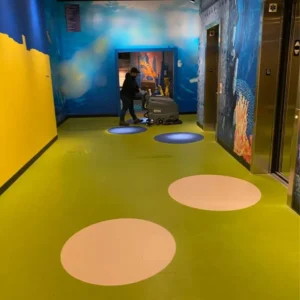
We Protect your Carpets
Commercial Carpet Cleaning Is Asset Protection
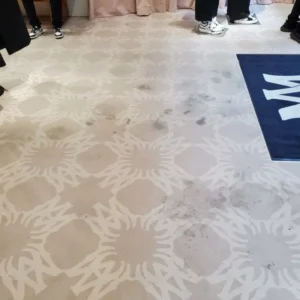
NYC winters alone will age a commercial carpet faster than three years of normal use anywhere else. Salt, grit, moisture, and foot traffic from October through March embed into fibers and act as an abrasive on every step. By the time traffic lanes are visibly dark, the fiber damage is already done — you’re managing appearance, not reversing wear.
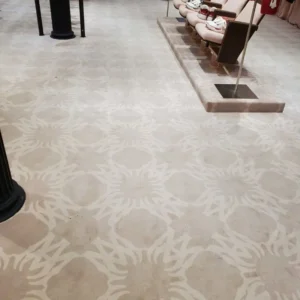
We’re direct with facility managers about this: professional carpet cleaning doesn’t make old carpet look new. What it does is extend the useful life of carpet that’s maintained on a schedule, and restore carpet that’s been neglected longer than it should have been. The difference between those two situations is usually 3–5 years of replacement cost.
Preserve Appearance
Restore traffic lanes, reduce staining, refresh common areas, and keep offices, schools, lobbies, corridors, and meeting spaces presentation-ready.
Extend Carpet Life
Embedded soil acts like sandpaper on carpet fibers. Scheduled extraction and spot treatment help reduce premature wear and replacement costs.
Support Indoor Air Quality
Commercial carpet in a 100,000 sq ft NYC office building collects more allergens, dust, and particulate per square foot than most facility managers track. Routine vacuuming moves it around. Periodic extraction removes it.
← Scroll to see full table →
| Benefit | What it means for occupants | What it means for the facility |
|---|---|---|
| Allergen reduction | Deep extraction removes dust mites, pollen, pet dander, and airborne particulate that embed in carpet fiber and recirculate through HVAC on every footstep. Meaningful for staff with respiratory sensitivities or allergies. | Fewer occupant air quality complaints. Supports IAQ documentation where required. Reduces the particulate load entering HVAC return vents from carpeted zones. |
| Odor elimination | Embedded odors from food, moisture, and biological sources are removed at the source rather than masked. Occupants notice the difference within a day of professionally cleaned carpet. | Eliminates recurring odor complaints without repeat spot treatments that don’t address the fiber-level source. Particularly relevant for schools, healthcare waiting areas, and hospitality facilities. |
| Healthier indoor environment | Commercial carpet in a high-occupancy NYC building can hold up to four times its weight in soil, bacteria, and biological matter before it looks visibly dirty. Extraction removes what routine vacuuming circulates. | Supports wellness-focused facility standards. Relevant for WELL certification documentation, LEED operations credits, and facilities with occupant health as a measurable KPI. |
| Extended carpet life | Clean carpet maintains its pile structure and appearance longer — occupants experience a consistently maintained environment rather than a facility that looks tired six months after a reactive cleaning. | Documented maintenance programs push replacement timelines out by 3–5 years on commercial-grade carpet. Capital expenditure deferred. Replacement disruption avoided. |
| Appearance & presentation standards | First impressions start at the entrance. Clean, maintained carpet in lobbies, corridors, and common areas signals facility standards to tenants, guests, clients, and visitors before they reach their destination. | Supports tenant retention and lease renewal conversations. Reduces the number of reactive “the building looks tired” conversations with ownership or building management. |
| Slip & fall risk reduction | Matted, worn, or debris-embedded carpet at entry zones and corridors creates trip hazards — particularly in NYC winter months when moisture and grit accumulate at building entrances. | Reduces liability exposure at high-traffic entry points. Entry matting programs combined with scheduled extraction are the most cost-effective intervention for entrance zone safety. |
What is included
What Our Commercial Carpet Maintenance Program Includes
One method used everywhere is not a carpet program — it’s a single intervention. We decides on the correct approach based on carpet type, traffic levels, soil load, drying windows available, and what the facility actually looks like on the ground. We assess before we schedule. That’s not a sales step — it’s how you avoid cleaning carpet the wrong way and creating problems that cost more than the cleaning did.
Routine Vacuuming Support
Daily vacuuming removes dry soil before it embeds. It’s the first line of defense — and when it’s inconsistent, everything downstream costs more. We integrate vacuuming support into programs where the in-house custodial frequency isn’t sufficient for the traffic load.
Spot & Stain Response
Coffee, salt, food, tracked-in soil — in NYC commercial buildings, spot incidents happen daily. Matched treatment by stain type and fiber is handled by trained technicians following IICRC inspection cleaning standards where applicable to help prevent permanent setting. The longer a stain sits, the less chemistry can do about it.
Scheduled Deep Extraction
Hot water extraction, encapsulation, or low-moisture cleaning — selected based on carpet type and the drying window available, not the method we happen to prefer. Overnight is standard for occupied NYC office buildings. School break windows for educational facilities.
Traffic Lane Restoration
Corridors, reception entries, classroom paths, and elevator landings show wear first. Targeted restoration cleaning addresses these zones between full extractions — extending the visual life of the surrounding carpet and reducing how often full-floor extraction is needed.
Upholstery & Fabric Cleaning
Reception seating, office chairs, conference chairs, cubicle panels, auditorium seating, sofa seating, and leather seating — upholstered surfaces accumulate body oils, dust, and odors that compound over time. We clean upholstery alongside carpet programs or as a standalone scheduled service. Rug cleaning can also be scheduled separately for rugs in reception or executive areas.
Quality Verification
Supervisor sign-off on scope completion before the crew leaves. Documented communication on what was completed, what areas may need follow-up, and what recurring problem zones look like. Not a checklist the crew fills out for themselves.
Green Cleaning is Standard
We use Green Seal and EPA Safer Choice certified products, microfiber systems, and sustainable equipment that reduce chemical exposure while maintaining high cleaning standards and protecting indoor air quality.
Carpet Cleaning methods
Which Carpet Cleaning Method Does Your Carpets Need?
Hot water extraction is not always the right answer. Neither is encapsulation. The method has to match the condition, the carpet type, and the drying window your facility can actually provide — not what the contractor’s equipment happens to be.
← Scroll to see full table →
| Condition | Recommended approach | Best fit |
|---|---|---|
| Daily dry soil accumulation | Routine vacuuming and entry matting programs to intercept soil before it embeds. | Offices, schools, corridors, commercial buildings with consistent foot traffic. |
| Visible traffic lanes | Hot water extraction or targeted traffic lane restoration — matched to drying window available. | Reception areas, hallways, classrooms, main circulation paths. |
| Spills and stains | Spot treatment matched to stain type and carpet fiber. Speed of response determines outcome. | Break rooms, cafeterias, offices, conference rooms, hospitality areas. |
| Odor concerns | Deep extraction, deodorizing treatment, and source identification — odor masking without extraction fails within days. | Schools, healthcare, property management, hospitality venues. |
| Occupied building with no drying window | Low-moisture encapsulation — cleans effectively without extended drying time, minimal disruption to operations. | Active offices, daytime-occupied schools, retail environments. |
| Seasonal reset or post-winter restoration | Full hot water extraction with pre-treatment for salt residue and winter soil load. Spring and summer the right scheduling window. | Any NYC commercial facility that runs through a full winter season. |
Why Carpet cleaning is necessary
Signs Your Commercial Carpet Needs Professional Cleaning
Most facility managers notice the visual signs last. The indoor air quality and fiber damage issues show up months before the carpet looks bad. But these are the signals that tend to trigger the call:
Visible Appearance Problems
Traffic lanes are visibly darker than surrounding carpet — fiber wear is already underway.
Stains reappear after spot cleaning — the source wasn’t fully removed, it re-wicked to the surface.
Reception, corridors, and conference rooms look worn relative to the rest of the facility.
Carpet pile is flattened or matted in regular-use zones and won’t recover with vacuuming alone.
Operational or Occupant Concerns
Odors persist after vacuuming — the source is embedded in the fiber or backing, not on the surface, and needs professional odor removal.
Dust or allergen complaints from tenants or staff, particularly in areas near HVAC returns, and in some mixed-use or staff-accessible spaces, lingering pet stains may be a contributing source.
School, office, or tenant spaces need a seasonal reset — back-to-school, post-winter, pre-inspection.
Carpet appearance no longer matches the standard the rest of the facility is being held to.
These 5 steps are part of Our Quality Assurance System
Every Upholstery and Carpet Cleaning job runs on the Advantage Cleaning QUALITY SYSTEM
Intentional. Deliberate. Documented. Applied to every job, every facility, every visit.
Our Quality System
Our Commercial Carpet Cleaning Process
Every commercial carpet cleaning visit follows the same documented sequence. Not because it’s written in a manual — because this is the sequence that produces consistent results and eliminates the causes of re-cleaning, surface damage, and missed areas that make reactive carpet cleaning cost more than it should.
STEP 1
Assessment
Before a crew is assigned or a method is selected, a supervisor walks the space. Carpet type, pile height, soil load, stain locations, traffic patterns, drying window available, access constraints, and any occupant sensitivity considerations are documented.
STEP 2
Pre-Vacuuming
Extraction without pre-vacuuming is one of the most common shortcuts in commercial carpet cleaning — and one of the most expensive for the facility. dirt mixed with water during extraction becomes a suspension that the machine then pushes deeper into the fiber rather than removing it. We pre-vacuum before any wet extraction. Every visit.
STEP 3
Pre-Treatment
High-traffic zones, persistent stains, and entry areas with embedded salt or grit receive targeted pre-treatment before extraction. Pre-treatment chemistry is matched to the stain type and carpet fiber — not a single product applied everywhere.
STEP 4
Extraction
Hot water extraction, encapsulation, or low-moisture cleaning — applied using the method confirmed in step one. Overlapping passes at controlled speed, not a single fast pass covering the visible surface. For hot water extraction, the number of passes is determined by soil load, not by the clock.
STEP 5
Post-Cleaning
Carpet pile is groomed after extraction to set fiber direction, accelerate drying, and restore appearance uniformity; proper grooming and airflow also help enhance appearance uniformity and can keep many commercial carpets within a typical 2–4 hour drying window when low-moisture methods are used.
STEP 6
Quality Inspection
The supervisor’s sign-off is documented alongside areas completed, method used, and products applied. That record is available to the facility manager on demand — not assembled after the fact if someone asks for it.
Why Advantage Cleaning
Why Facility Managers Choose Our Managed Carpet Cleaning Program
Two contractors can offer the same method. One shows up, runs the machine, and leaves. The other shows up, assesses the condition, selects the right method, schedules around your building operations, verifies the work, and tells you what to watch for before the next visit. We’ve been the second contractor in buildings where the first one had been running a machine across the same carpet for three years and nobody had noticed the traffic lanes were getting worse, not better.
Predictable Results Require More Than Equipment
The equipment is the same. What’s different is whether the service is planned, documented, supervised, and integrated into the broader facility cleaning program. A managed carpet program includes the correct method for the condition, surface-appropriate chemistry, scheduling that fits building operations, supervisor review before completion sign-off, and communication about recurring problem areas. That’s how carpet cleaning becomes part of facility asset protection — not a one-time emergency response when a tenant complains.
Carpet & Upholstery Cleaning · NYC
Commercial Carpet Cleaning That Runs Without Your need for Follow-Up
Tell us about your business or facility if you’re looking for commercial carpet cleaning services, including your carpet condition, traffic level, and scheduling requirements. We’ll assess the condition, recommend the right method and frequency, and schedule around your building operations — not ours, with carpet cleaning NYC support tailored to your site.
Supervisor-led quality control · Site-specific cleaning plans · KPI reporting & inspections · Single point of accountability
Request a Quote
We will contact you within the hour to start working on your quote.
Your contact information
OUR CERTIFICATES & MEMBERSHIPS
T-CSCT Surgical Cleaning Certified
IICRC Institute of Inspection Cleaning & Restoration
BSCAI Member Industry Standards
GBAC Biosafety Standards
OSHA Trained & Certified
MBE Certified
We Protect your Carpets
How Often Should Commercial Carpets Be Cleaned?
Frequency based on a calendar is the wrong starting point. Frequency based on occupancy, traffic load, and what the carpet actually looks like on the ground is the right one. A reception area in a 300-person office building and a private executive office in the same building are not on the same cleaning cycle.
As a general baseline for commercial facilities in NYC:
← Scroll to see full table →
| Area type | Typical risk | Planning guidance |
|---|---|---|
| Reception and entrances | Heavy soil, salt and moisture from October–March, visitor traffic — worst conditions in the building. | Spot response as needed. Extraction every 1–3 months in winter-season NYC buildings. Entry mats essential. |
| Office workstations | Dust, food crumbs, daily employee traffic at lower soil intensity than entry zones. | Daily vacuuming plus extraction 1–2 times per year depending on occupancy density. |
| Schools and libraries | Heavy student traffic, allergens, food stains, and accumulated soil across a 10-month academic calendar. | Deep extraction during summer break. Mid-year spot response. Winter break cleaning in high-use schools. |
| Conference rooms | Food and beverage spills, client-facing use, moderate traffic but high visibility consequence. | Spot response after events. Periodic extraction before major use periods — board season, Q4, lease renewals. |
| Upholstered furniture | Body oils, dust, stain absorption, and odors that accumulate over 12–18 months of regular use. | Annual cleaning alongside carpet programs or as standalone scheduled service — not only when visibly stained. |
FACILITIES WE SERVE
Commercial Facilities We Serve
Every facility type has a different carpet problem. We don’t run the same program across all of them.
In NYC, facility managers often choose between a large corporate provider and a local company that can specialize in commercial carpet cleaning, depending on response, oversight, and scheduling needs.
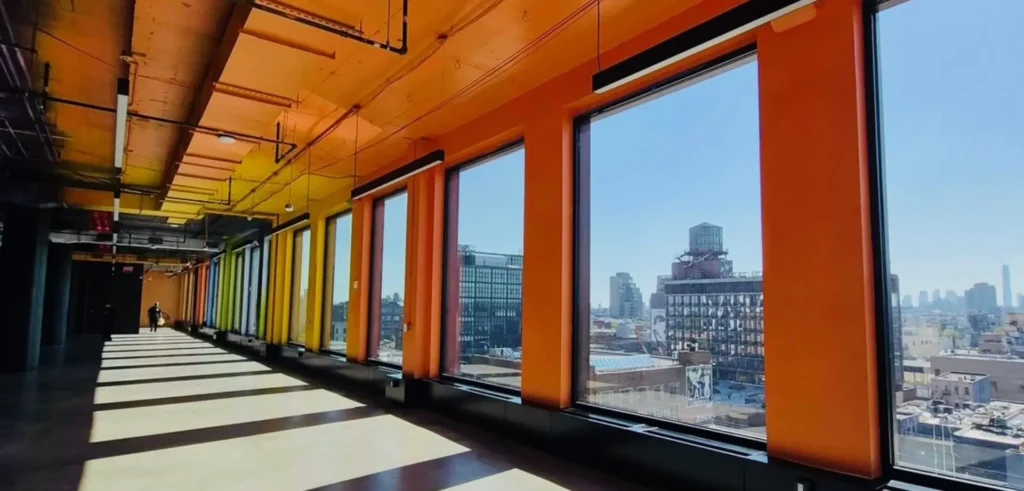
Office Buildings & Corporate Spaces
Tenant-facing lobbies, workstation areas, conference rooms, and common corridors often need office carpet cleaning where appearance affects lease renewals and client impressions. We schedule around building operations — typically overnight or weekend windows.
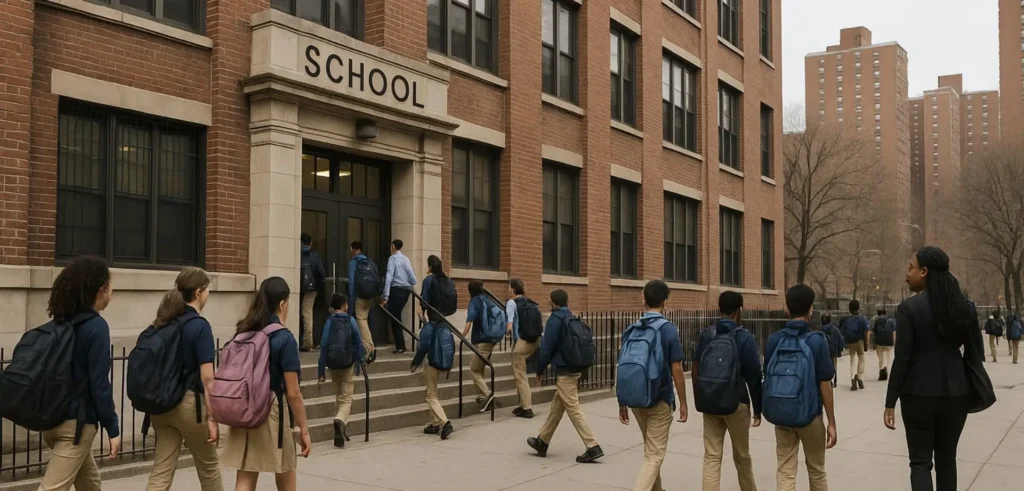
Schools & Educational Facilities
Classrooms, libraries, auditoriums, administrative offices, and staff lounges where carpet collects allergens, stains, and embedded soil over an academic year. Summer break and school break windows are standard scheduling for deep extraction.

Visitor Attractions & Cultural Institutions
High visitor turnover through exhibit corridors, lobbies, ticketing areas, and event spaces means carpet accumulates soil and staining faster than in occupancy-controlled environments. Appearance is part of the guest experience. We work around exhibition hours, peak season schedules, and event turnaround windows — typically overnight or during planned closures.
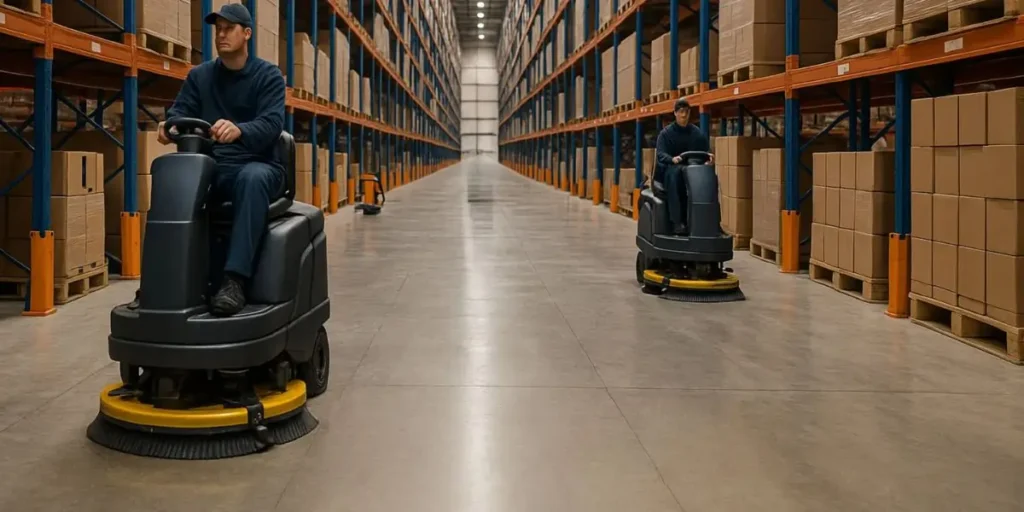
Warehouses & Distribution
Break rooms, restrooms, locker room corridors, and office areas within warehouse facilities carry heavy boot traffic, grease transfer, and operational dust that accumulates between visits. These areas are often cleaned last and inspected least — and the carpet shows it. We schedule extraction around shift operations so staff areas stay maintained without disrupting production floors.

Property Management & Multi-Tenant
Multi-tenant facilities, shared offices, entrances, common areas, and building management offices requiring periodic carpet care integrated into the broader building maintenance program.
Shared corridors, elevator landings, common areas, and management offices across multi-tenant commercial buildings.
FREQUENTLY ASKED QUESTIONS