Construction Cleaning
Outsourcing Your NYC Commercial Construction Cleanup [Guide]
Outsourcing construction clean-up is absolutely necessary. In this guide we will navigate you through the entire process, and how to mange it
July 14, 2026
Construction Cleaning
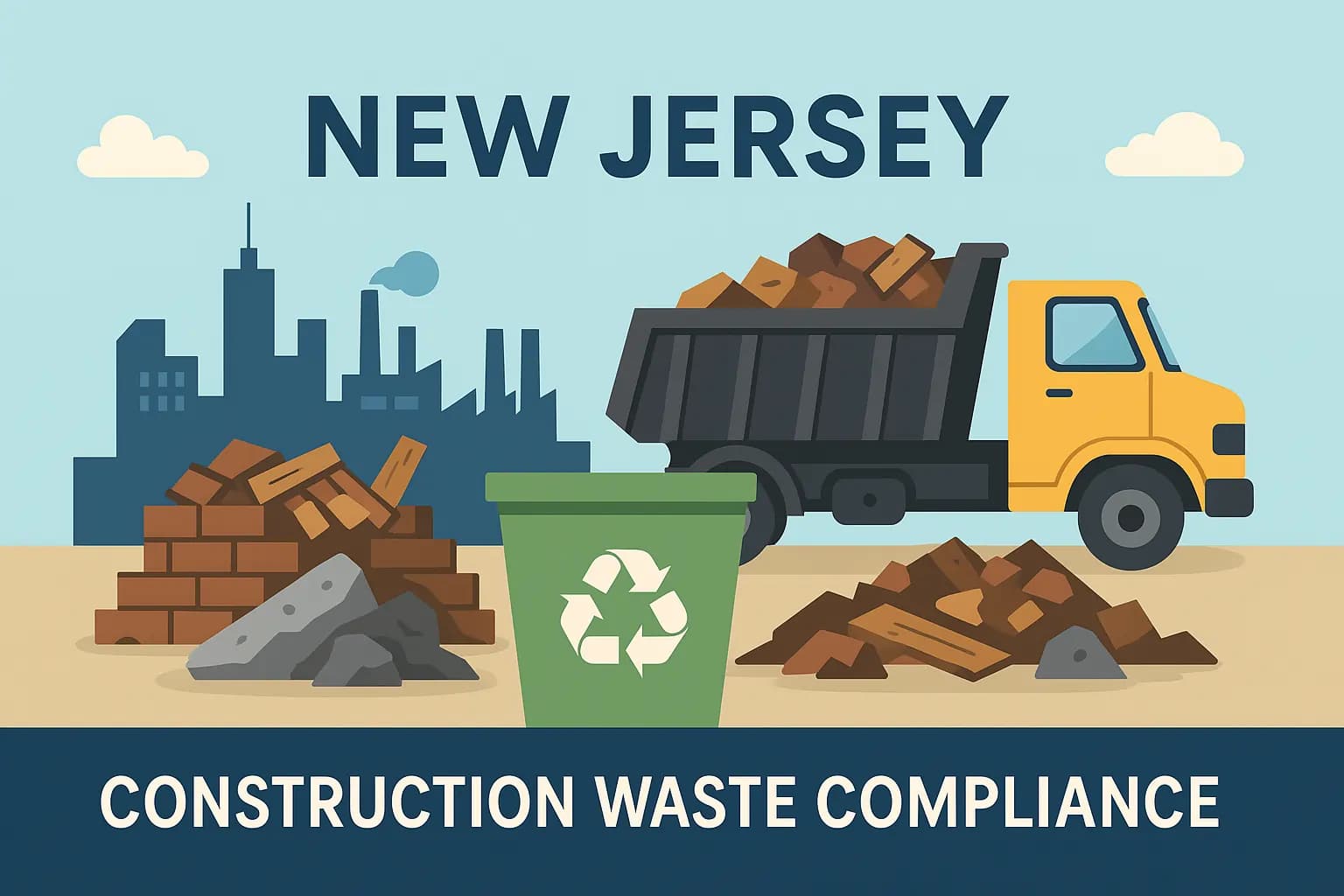
Avoid costly penalties and stay compliant. Learn how to handle construction and demolition waste in New Jersey, including recycling rules, approved facilities, and site management strategies.
Construction and demolition waste in New Jersey is more than a byproduct of the build. It’s a compliance risk. Between solid waste laws, recycling mandates, and hauler licensing requirements, managing waste the wrong way can derail any construction project.
This guide outlines how to handle construction debris legally, efficiently, and with full documentation.
Whether you’re clearing out renovation projects in Jersey City, managing demolition debris in Newark, or placing roll off dumpsters in Paterson, you need to know the laws and logistics before the job begins.
You are governed by both state and local regulations:
Oversees solid waste, hazardous waste, and recycling programs across the state.
Enforce local waste diversion and debris disposal laws. Each county has its own plan and approved facilities.
May impose job-specific rules related to debris, roll off container placement, and site waste management.
Reference: NJDEP Solid Waste Management Rules
The NJDEP defines construction and demolition waste to include:
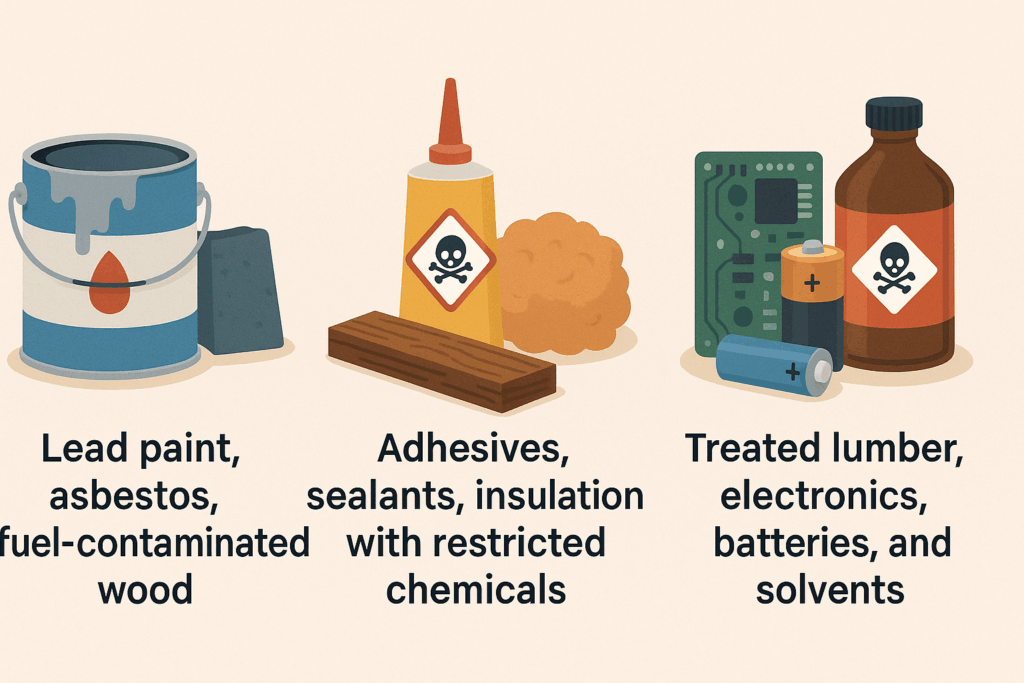
Hazardous waste items such as paint, adhesives, treated wood, or asbestos require special handling and may not be dumped with general debris.
Even if you subcontract waste handling, you are responsible as the GC or construction manager.If something goes wrong, enforcement will follow your permits, manifests, and disposal receipts.
New Jersey mandates strict waste management practices for construction projects:
Start here: NJ Solid Waste Coordinators by County
The following require strict compliance:
These types of waste must be handled by certified hazardous waste haulers and disposed of according to NJDEP protocols.
Post your waste plan on-site to guide subcontractors and ensure regulatory visibility.
Contractors can reduce disposal volume and cost by:
These practices support LEED points, generate less waste, and reduce tipping fees.
Proof that your waste transporter is registered with the NJDEP and authorized to haul construction debris. This includes their license number and certification date.
These documents detail what was placed in each roll off container, where it was picked up, and where it was delivered. They help demonstrate chain-of-custody and compliance.
These confirm that waste was legally disposed of at an authorized location. Keep all receipts showing type, weight, and destination of materials.
Some counties require documentation showing how much material was diverted from landfills. These forms validate that you’re meeting recycling or diversion targets.
Legally required for any hazardous materials. These forms show the generator, transporter, and final disposal facility, ensuring full regulatory compliance.
Document retention is critical during final inspections and close-out.
We serve Northern and Central NJ with union-ready, fully documented post-construction clean-up and C&D hauling. Visit our Post-Construction Cleaning Services page to schedule an estimate.
Don’t let a dumpster mistake ruin your CO date. Know the law, document the work, and use the right hauler.
LEED (Leadership in Energy and Environmental Design) is a green building certification program. Construction projects can earn LEED points by reducing waste, reusing materials, and recycling a high percentage of construction and demolition debris.
Using approved recycling facilities and documenting diversion efforts helps meet these criteria.
A waste diversion plan outlines how a construction site will handle solid waste, recycling, demolition debris, and hazardous materials. It includes targets for recycling rates and the separation of reusable or recyclable materials.
Some counties in New Jersey require these plans for large-scale or public construction projects.
Certain materials like asbestos, treated wood, or lead-containing items are considered hazardous waste. They must be handled separately from general construction debris and disposed of at certified hazardous waste facilities.
Failing to separate these items can result in fines or legal action.
Start with the NJ Solid Waste Coordinators by County. They provide up-to-date lists of local disposal and recycling options that meet state requirements.
No post found!
Construction Cleaning
Outsourcing construction clean-up is absolutely necessary. In this guide we will navigate you through the entire process, and how to mange it
July 14, 2026
Construction Cleaning
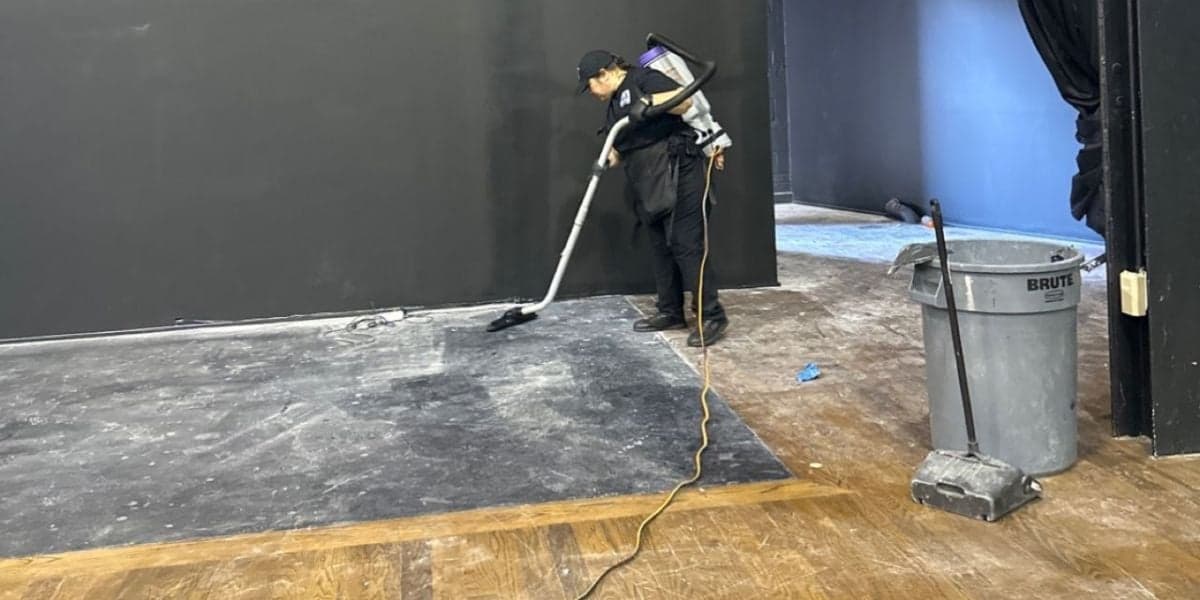
Best way to clean construction dust - Step-by-step construction cleaning process including Best way to clean dust off walls and floors
July 14, 2026
Construction Cleaning
Between substantial completion and handover lies the phase that delays more projects than construction defects: post-construction cleaning. A NYC project manager's guide to running…
July 4, 2026
We deliver the consistent, high-quality cleaning and building maintenance services your business relies on.